
Video gives marketers a compelling way to explain an idea, demonstrate value, and help an audience decide what to do next. The challenge is turning a promising topic into a focused piece of content without letting production become an open-ended project.
For teams exploring AI-assisted video creation, invideo is a relevant option to consider. Its appeal is best evaluated through a practical question: can it help you create the kinds of videos your audience needs, within a workflow your team can realistically maintain?
This guide takes a strategy-first approach. Rather than assuming that software automatically produces effective marketing, it explains what to prepare, how to structure useful videos, and what to check before committing to a plan.
Disclosure: This article contains affiliate links. If you purchase through these links, we may earn a commission.
Why invideo Deserves a Place on Your Shortlist
AI-assisted video creation is an attractive direction for marketers who have strong ideas but limited production capacity. It encourages a more accessible approach to moving from written concepts toward visual communication.
That makes invideo worth exploring for content creators, small marketing teams, and affiliate publishers looking to build a more repeatable video process. The strongest reason to consider it is not simply to publish more often. It is to investigate whether your existing expertise can become clearer, more engaging content in another format.
The right tool should support your editorial judgment, not replace it. Audience research, accurate claims, useful examples, and a clear message remain the foundations of a good video. Approach invideo with those foundations in place, and you will be better equipped to judge its fit.
Start With a Marketing Goal, Not a Production Task
“Make a video” is not a sufficiently useful brief. Before choosing a format or evaluating a tool, define what the viewer should understand or do after watching.
A focused objective makes decisions about the script, visuals, pacing, and call to action much easier. It also prevents a short video from becoming an overloaded summary of everything your business offers.

Educational Content
Educational videos answer a specific question or explain a process. They work best when the subject is narrow enough to address clearly, such as preparing a product demonstration or choosing a useful customer onboarding topic.
Lead with the question, give a direct answer, and add an example that makes the advice easier to apply. Your audience should gain something useful even if they never click a link.
Affiliate Buying Guidance
Affiliate content should help viewers assess suitability rather than merely encourage a purchase. A useful video can explain who a product may suit, which decision criteria matter, and what buyers should verify.
Keep a clear distinction between confirmed product information and your recommendations. If you have not tested a product, do not present the video as a firsthand review.
Repurposed Editorial Content
An existing article, newsletter, or customer question can provide a strong starting point. However, repurposing should involve adaptation rather than copying paragraphs into a script.
Select a central takeaway, remove details that require lengthy explanation, and use visual examples where they genuinely improve understanding. A video should feel designed for watching, not like an article read aloud.
Build a Brief That Makes Production Easier
Whether you are assessing invideo or another production workflow, a clear brief is one of the most useful inputs you can prepare. It reduces ambiguity and provides a reference for reviewing the result.
- Audience: Describe the viewer and the problem they are trying to solve.
- Purpose: Identify the main outcome, such as understanding a concept or evaluating an option.
- Core message: Write the most important takeaway in a single sentence.
- Supporting material: Gather verified facts, approved messaging, and relevant examples.
- Visual direction: Describe the scenes or demonstrations that would clarify the message.
- Tone: Specify whether the presentation should feel instructional, reassuring, conversational, or formal.
- Next step: Choose a call to action that matches the viewer’s stage of interest.
For example, a brief for a software-selection video might read: Create a concise explanation for small business owners comparing video creation workflows. Emphasize ease of revision, content accuracy, and usage rights. Use clear business language and finish by encouraging viewers to check current product details.
This is a stronger starting point than a vague request for an impressive promotional video because it establishes both the audience and the editorial boundaries.
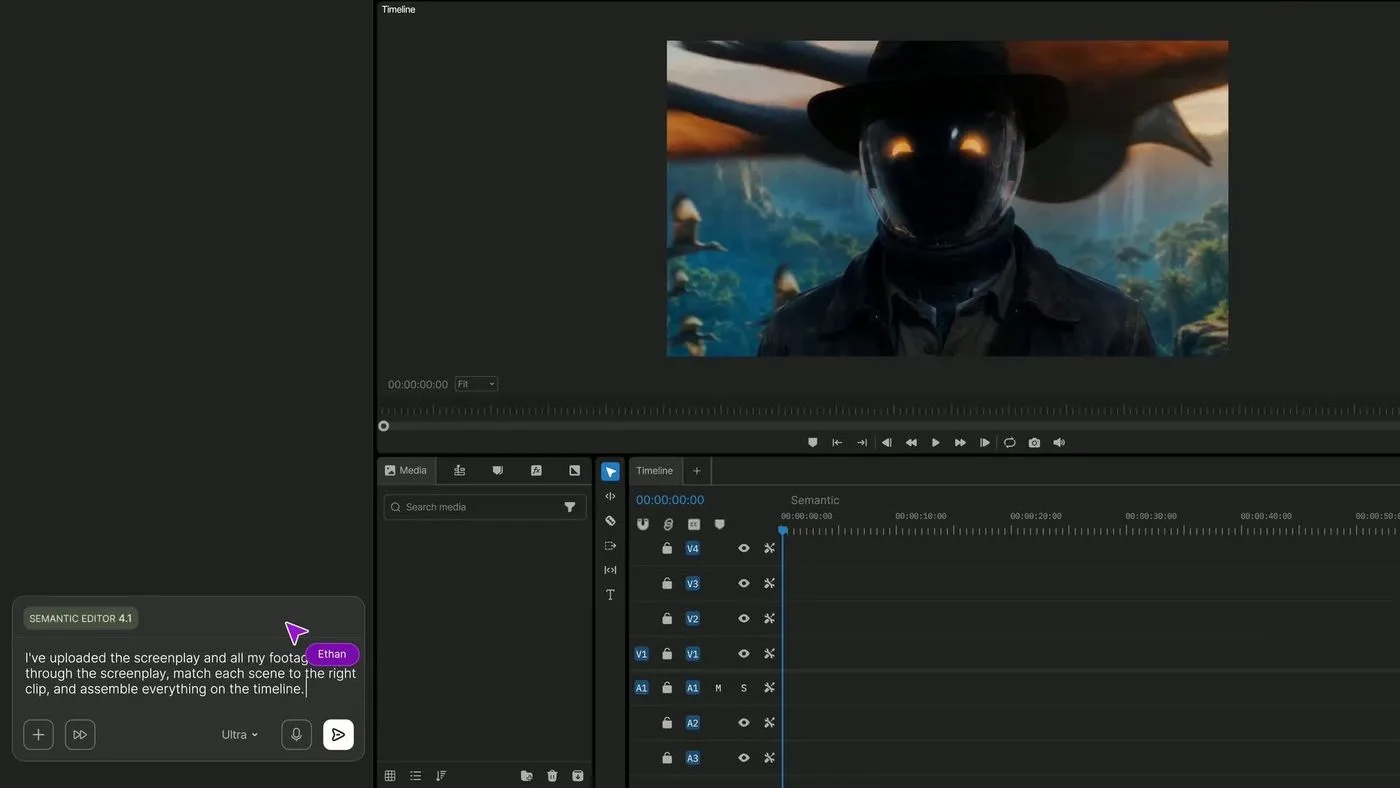
A Practical Workflow for Creating Better Marketing Videos
Choose a Focused Source Idea
Begin with a question your audience already asks. Customer conversations, search queries, and existing editorial material can help identify topics with a clear purpose.
Keep the scope manageable. “How to choose visuals for a software explainer” is easier to develop into a coherent short video than “everything about video marketing.”
Draft the Message Before Polishing the Presentation
Build the script around a simple progression: introduce the problem, explain the useful insight, illustrate it, and suggest an appropriate next step.
Write for spoken delivery. Short sentences and concrete language are generally easier to follow than dense paragraphs or abstract marketing phrases. Read the draft aloud to identify awkward wording before investing time in visual refinement.
Give Each Visual a Clear Job
Visuals should explain, demonstrate, or reinforce the message. Attractive footage can establish a mood, but it should not substitute for evidence or imply that a product does something you have not verified.
For affiliate content, be particularly careful with generic footage. A staged office scene may illustrate a work context, but it should not be presented as an actual customer experience or product demonstration.
Review the Draft as an Editor
AI-assisted production still needs human review. Check that the opening is relevant, the argument is easy to follow, and each claim has an appropriate basis.
- Verify product names, terminology, and factual statements.
- Remove unsupported superlatives and guaranteed-outcome language.
- Check that spoken content and on-screen text agree.
- Make important text legible on the intended viewing device.
- Review pronunciation, pacing, and transitions where applicable.
- Confirm that the closing recommendation follows naturally from the content.
Adapt the Final Piece to Its Destination
A video for a landing page may need a different introduction from a video intended for a social feed. Consider viewing context, available attention, and whether the audience already knows your brand.
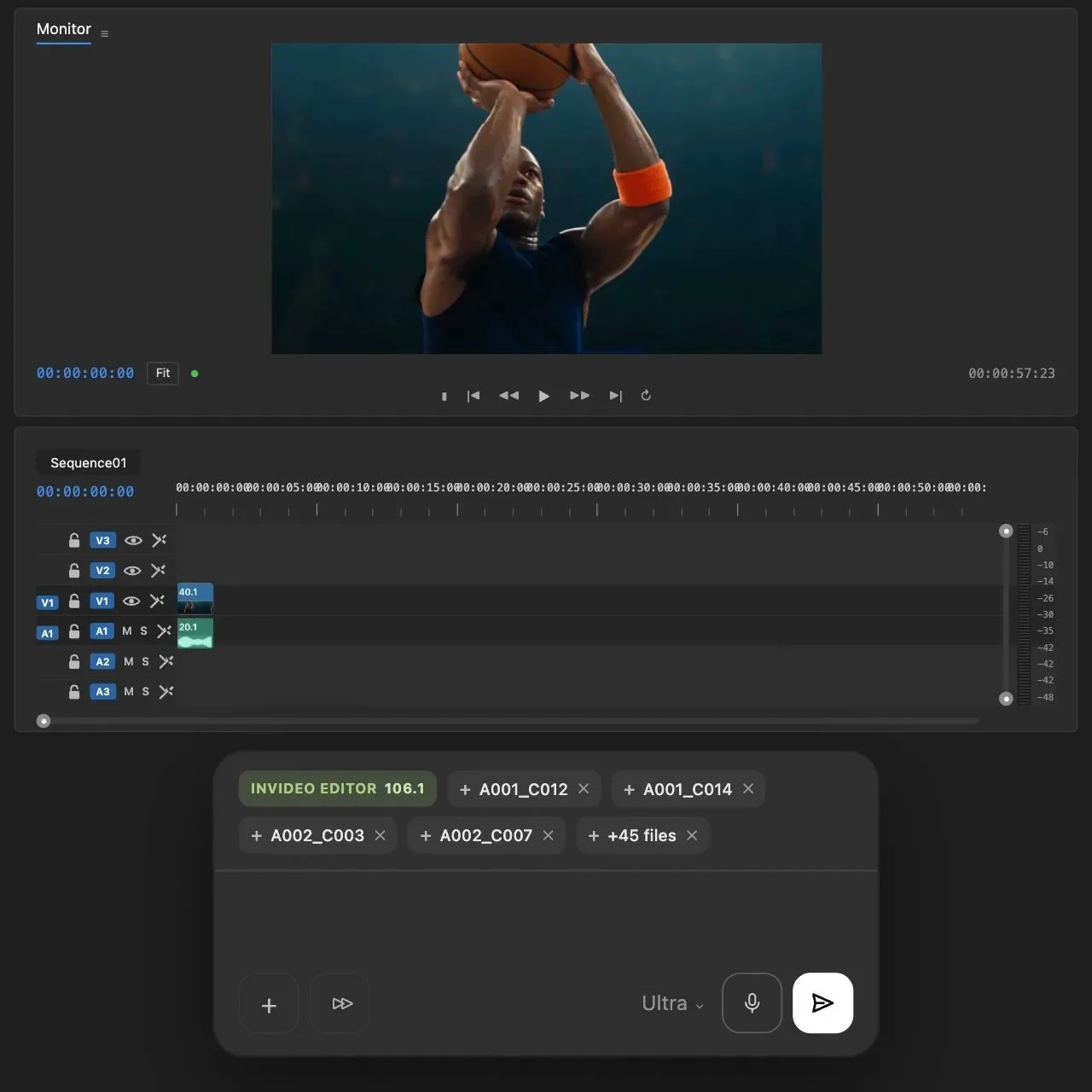
Check the destination’s current format requirements, then verify that your chosen workflow and subscription support the output you need. Do not assume every export option is included in every plan.
What to Check Before Choosing an invideo Plan
A thoughtful evaluation should reflect your actual publishing needs rather than a generic feature checklist. Review the current information available through invideo’s product and plan details, since pricing, allowances, and availability can change.
Production Capacity and Usage Limits
Estimate your expected workload, including revisions and alternative versions. Check how the current plan measures usage and whether different creation methods have separate allowances.
A plan should fit the way you work, not only the number of finished videos you hope to publish.
Editing and Export Requirements
Identify the changes you are most likely to make after a first draft. You may need to adjust wording, replace an unsuitable visual, refine timing, or respond to stakeholder feedback. Verify the available controls rather than assuming they are included.
Also check current export specifications, watermark conditions, and any restrictions relevant to your intended channels.
Asset Rights and Commercial Use
Do not assume that access to media automatically grants permission for every use. Review the terms that apply to any included or uploaded footage, music, images, voices, and generated material.
If you produce affiliate promotions, paid advertisements, or client work, verify that your intended use is permitted. Obtain permission for third-party materials where required.
Privacy and Team Requirements
Before uploading confidential information or unpublished client material, review the relevant privacy and data-handling terms. Teams should also verify any collaboration, access, or approval capabilities they require.
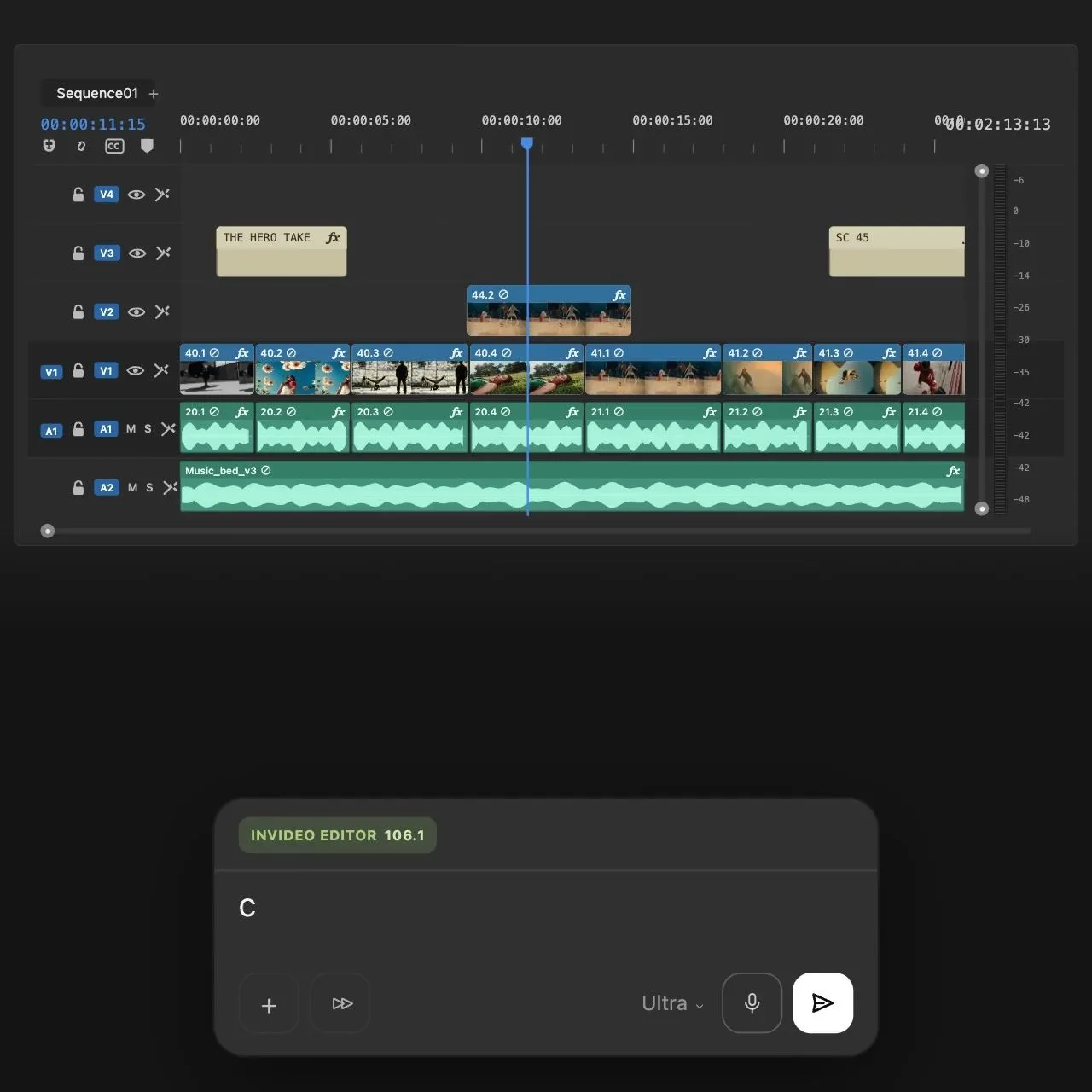
These checks are part of choosing a dependable business workflow, not merely administrative details.
Keep Affiliate Videos Persuasive and Trustworthy
The most convincing affiliate content helps viewers make a better decision. Explain the use case, identify important buying considerations, and acknowledge when suitability depends on the viewer’s needs.
Disclose the affiliate relationship clearly and follow applicable advertising rules and platform requirements. Avoid unsupported urgency, invented customer stories, and claims that a tool guarantees business results.
Useful specificity is more persuasive than exaggerated praise. A practical explanation of what to evaluate gives the audience a reason to trust your recommendation.
Measure Whether the Workflow Is Working
Evaluate both production efficiency and content quality. Track how much editing a draft needs, how easily you can make revisions, and whether the finished piece meets your editorial standards.
After publishing, use metrics that match the objective. Audience retention can help assess whether an explanation holds attention, while relevant clicks or qualified inquiries may be more useful for a decision-focused video. Avoid treating views alone as proof of success.
Final Thoughts on invideo
invideo is worth a considered look for marketers exploring AI-assisted video creation. A clear brief, a realistic production task, and a careful review process provide a much stronger basis for evaluating it than broad promises about effortless content.
The most valuable outcome is a workflow that helps you communicate useful ideas consistently while preserving accuracy and audience trust. Start with a representative project, establish your quality criteria, and verify the current plan details against your needs.
Explore invideo for your next content project and assess how it could support a more focused, repeatable approach to video marketing.